Search

Showing posts with label vegetables. Show all posts

Thursday, March 31, 2011

Super Healthy Tomato Sauce


Feeding your family is one of the most important jobs a mother has. Good nutrition in the first few years of life will help establish healthy life-long eating habits and condition their taste buds to enjoy food that is good for them. But if a child (or adult) won’t eat healthy foods, it doesn’t matter how nutritious they are.
I found this tomato sauce recipe by Jamie Oliver in the April 2011 issue of Parenting Early Years and made some adjustments to meet my family’s tastes. It features nine veggies, but your kids will never know it. To be honest, I didn’t think it looked or smelled very good when I first started cooking it, but when it was finished, it was very tasty. There is a little time involved in prepping the veggies, so this makes a big batch for you to freeze and have on hand to make a quick supper later.

Supermom’s Tomato Sauce
Yield: About 13 cups
Prep time: 15-20 minutes
Cook time: 1 hour


1 large onion
1 small leek
2 stalks celery
2 red bell peppers
2 medium zucchinis
2 carrots
2-4 cloves garlic
1 T olive oil
2 T Italian seasoning
1 small butternut squash
2 – 28 oz cans whole tomatoes (best quality)
1 – 8 oz can tomato paste
2 c water
Salt and pepper to taste

Prep veggies (everything is going to go into a blender at the end, so no need to make everything look pretty and small): chop onion, slice leek lengthwise and cut into ½” slices then swish in a bowl with cold water and let sit, chop celery, de-seed and chop bell peppers, slice zucchinis lengthwise twice then slice, peel and chop carrots, smash garlic with the side of a chef’s knife.
Put oil in a large pot and add all the prepped vegetables except for leek. Spoon the leek out of the bowl with a slotted spoon. Do not pour off the water because it is full of all the dirt that settled. Discard water and add leeks to the pot. Cook over medium heat, covered for 20 minutes, stirring occasionally.
Meanwhile, peel butternut squash, slice in half lengthwise and scoop out seeds. Grate squash on a large box grater and add to sauce along with remaining ingredients and bring to a boil.
Reduce heat, cover and simmer for 40 minutes. Remove from heat. Put 2 cups of sauce in a blender and blend until completely smooth. Pour into quart size freezer bag and remove as much air as possible when sealing. Continue until all sauce has been blended. Lay flat on a shelf in the freezer to keep until needed.

Serving suggestions:
  • · Serve over pasta
  • · Use in lasagna or manicotti
  • · Pizza sauce
  • · Add a little cream or milk and serve as a soup
  • · Use anyway you would use jarred spaghetti sauce

Wednesday, March 30, 2011

Natural Clues to Health

Have you ever cut an apple in half and seen the star inside? What about a carrot? Did you see the “eye”?


I’ve heard of some of these before. I don’t know if all the claims can be substantiated, but I still find it interesting. Nature is purely awesome.


A sliced carrot looks like the human eye. The pupil, iris and radiating lines look just like the human eye. Science now shows that carrots greatly enhance blood flow and function to the eyes.


A tomato has four chambers and is red, just like the heart. Tomatoes are shown to be good for the heart and blood.


Grapes hang in a cluster that has the shape of the heart. Each grape looks like a blood cell and research shows that grapes are profound heart blood vitalizing food.


A walnut looks like a little brain: A left and right hemisphere, upper cerebrums and lower cerebrums. Even the wrinkles or folds mimic the neo-cortex of the human brain. Walnuts help develop over three dozen neuron-transmitters for brain function.


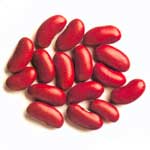
Kidney beans actually heal and help maintain kidney function and yes, they look exactly like human kidneys.


Celery, bok choy, rhubarb and more look like bones. These foods target bone strength. Bones are 23% sodium and these foods are 23% sodium. If you don’t have enough sodium in your diet the body pulls it from the bones making them weak.


Eggplant, avocados and pears target the health and function of the womb and cervix of the female. Today’s research shows that when a woman eats one avocado a week, it balances hormones, sheds unwanted birth weight and prevents cervical cancers. And how profound is this? It takes nine months to grow an avocado from blossom to ripened fruit.


Figs are full of seeds and hang in two’s when they grow. Figs increase the motility of male sperm, increase the numbers of sperm and can overcome male sterility.


Sweet potatoes look like the pancreas and actually balance the glycemic index of diabetics.


Olives assist the health of function of the ovaries.


Grapefruits, oranges and other citrus fruits look like the mammary glands of the female and actually assist the health of the breasts and the movement of lymph in and out of the breasts.


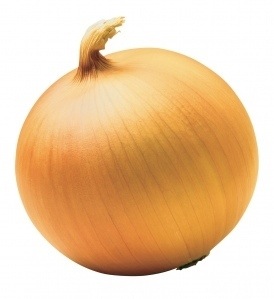
 Onions look like body cells. Research shows that onions help clear waste materials from all of the body cells. They even produce tears which wash the epithelial layers of the eye.


Pretty amazing, right?